
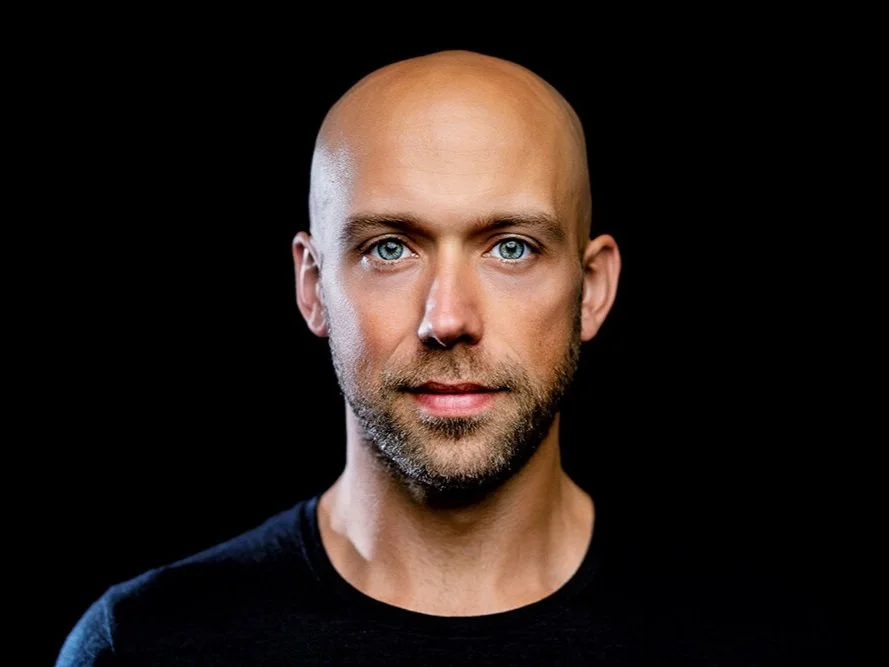
Kasper van der Meulen: The Breathwork Biohacker Optimizing Performance Through Respiration
Kasper van der Meulen represents a specialized but increasingly influential branch of the biohacking movement: breathwork optimization. As a breathwork specialist, biohacker, and science teacher, van der Meulen has coached elite performers—including Olympic athletes, special operations forces, and top CEOs—to optimize their performance through conscious breathing techniques. His work bridges ancient breathing practices and modern neuroscience, demonstrating how deliberate control of respiration can influence the nervous system, enhance cognitive function, improve physical performance, and support emotional regulation.
The Science of Breathwork: More Than Just Breathing
Van der Meulen’s approach is grounded in the understanding that breathing is not merely a passive, automatic process but a powerful lever for influencing multiple physiological systems. Through conscious manipulation of breathing patterns, individuals can:
- Modulate the autonomic nervous system, shifting between sympathetic (fight-or-flight) and parasympathetic (rest-and-digest) states
- Influence blood pH and carbon dioxide levels, affecting oxygen delivery to tissues and cognitive function
- Activate specific brain regions associated with focus, emotional regulation, and stress response
- Enhance athletic performance through improved oxygen utilization and recovery
- Support immune function through stress reduction and physiological optimization
This scientific understanding distinguishes van der Meulen’s work from purely spiritual or traditional breathing practices. While he respects and incorporates ancient wisdom, his protocols are designed based on measurable physiological effects and tested through work with elite performers who demand results.
Coaching Elite Performers: From Olympics to Special Operations
Van der Meulen’s credibility is built on his track record working with the world’s highest performers. Olympic athletes use his breathwork protocols to enhance performance under pressure, improve recovery between training sessions, and maintain composure during competition. Special operations forces—military units that operate in the most stressful and dangerous environments—employ his techniques to manage stress, maintain cognitive function under extreme conditions, and optimize physical performance.
Top CEOs and business leaders seek out van der Meulen’s coaching to enhance focus, manage stress, improve decision-making, and maintain energy throughout demanding schedules. This diverse client base demonstrates the broad applicability of breathwork optimization across different domains of human performance.
The fact that these elite performers—who have access to every possible performance enhancement tool and who cannot afford to waste time on ineffective interventions—consistently choose to work with van der Meulen speaks to the genuine efficacy of his methods.
The Breathwork Masterclass: Teaching the Teachers
Beyond individual coaching, van der Meulen has developed the “Breathwork Masterclass,” an intensive training program for professionals in breathwork and nervous system regulation. This mentorship program, offered through platforms like KUKURU and The McCall Method, includes:
- The Breathwork Biohacker Course: Comprehensive training in the science and practice of breathwork optimization
- AI-Masterclass Mentor: Integration of artificial intelligence tools to personalize and optimize breathwork protocols
- Monthly Live Calls: Ongoing support and advanced training for practitioners
- 200+ Hours of Educational Content: Deep dive into breathwork science, technique, and application
The masterclass represents van der Meulen’s commitment to elevating the entire field of breathwork, ensuring that practitioners have rigorous scientific training rather than relying solely on traditional or anecdotal knowledge.
Integration with Broader Biohacking: The Nervous System as Central Hub
What makes van der Meulen’s work particularly relevant to biohacking is his recognition that the nervous system serves as a central hub connecting all other optimization efforts. No matter how optimized your nutrition, supplementation, or exercise protocols, if your nervous system is chronically dysregulated—stuck in sympathetic overdrive or unable to shift between states appropriately—you will not achieve optimal performance.
Breathwork provides a direct, immediate, and cost-free method for regulating the nervous system. Unlike supplements that take time to work or technologies that require expensive equipment, breathwork can be implemented anywhere, anytime, with no equipment and immediate effects. This makes it an ideal foundational practice for any biohacking protocol.
The McCall Method Connection: Holistic Performance Optimization
Van der Meulen’s collaboration with The McCall Method demonstrates his commitment to integrating breathwork within a comprehensive performance optimization framework. The McCall Method combines breathwork with movement, mindset training, and recovery protocols to create a holistic approach to human performance.
This integration reflects van der Meulen’s understanding that breathwork is most effective when combined with other optimization strategies rather than practiced in isolation. The synergy between conscious breathing, physical training, mental conditioning, and recovery creates multiplicative rather than merely additive benefits.
Different Breathing Techniques for Different Goals
Van der Meulen teaches that there is no single “best” breathing technique—different patterns serve different purposes and should be selected based on specific goals:
For Activation and Energy:
- Rapid, forceful breathing patterns that increase sympathetic activation
- Techniques similar to Wim Hof breathing or Tummo breathing
- Useful before performance, competition, or situations requiring high energy
For Relaxation and Recovery:
- Slow, deep breathing with extended exhales
- Patterns that activate the parasympathetic nervous system
- Useful for stress management, sleep preparation, and recovery
For Focus and Concentration:
- Rhythmic breathing patterns that entrain brain waves
- Techniques that balance oxygen and carbon dioxide levels
- Useful for cognitive work, meditation, and sustained attention
For Athletic Performance:
- Nasal breathing to optimize oxygen delivery
- Breath-holding protocols to improve CO2 tolerance
- Rhythmic patterns synchronized with movement
This nuanced approach allows individuals to select breathing techniques strategically based on their current needs rather than following a one-size-fits-all protocol.
The Role of Carbon Dioxide: Beyond Oxygen
One of van der Meulen’s important contributions is educating people about the crucial role of carbon dioxide in oxygen delivery and physiological function. Many people assume that breathing more (hyperventilating) delivers more oxygen to tissues, but the reality is more complex.
Carbon dioxide plays a critical role in the Bohr effect—the physiological mechanism that allows oxygen to be released from hemoglobin to tissues. When CO2 levels are too low (from over-breathing), oxygen binds more tightly to hemoglobin and is less available to cells, even though blood oxygen saturation may be high.
Van der Meulen teaches techniques for improving CO2 tolerance, which allows individuals to:
- Maintain composure during high-stress situations
- Enhance endurance performance
- Improve oxygen delivery to tissues
- Reduce anxiety and panic responses
This understanding transforms breathwork from simple “deep breathing” into sophisticated respiratory optimization based on gas exchange physiology.
Breathwork for Trauma and Emotional Regulation
Beyond performance optimization, van der Meulen recognizes breathwork’s powerful applications for trauma healing and emotional regulation. The breath provides a bridge between conscious and unconscious processes, allowing individuals to access and process stored emotional content in a safe, controlled manner.
Specific breathing techniques can:
- Release stored tension and trauma from the body
- Regulate emotional responses in real-time
- Create states conducive to psychological processing
- Build resilience to future stressors
This therapeutic dimension of breathwork complements its performance applications, making it relevant for both optimization and healing.
The Science Teacher Advantage: Making Complex Concepts Accessible
Van der Meulen’s background as a science teacher gives him a unique advantage in communicating complex physiological concepts to diverse audiences. He excels at translating technical information about respiratory physiology, neuroscience, and biochemistry into language that athletes, executives, and general audiences can understand and apply.
This educational skill ensures that his clients and students don’t just follow protocols mechanically but understand the underlying mechanisms, allowing them to adapt techniques to their specific situations and troubleshoot when challenges arise.
Technology Integration: Measuring Breathwork Effects
As a biohacker, van der Meulen emphasizes the value of measuring breathwork effects objectively rather than relying solely on subjective experience. He incorporates various technologies to track and validate the physiological impacts of different breathing techniques:
Heart Rate Variability (HRV): Measuring HRV provides objective data about autonomic nervous system balance and stress resilience. Van der Meulen uses HRV tracking to demonstrate how specific breathing patterns shift nervous system state and to monitor progress over time.
Pulse Oximetry: Tracking oxygen saturation and pulse rate during breathwork helps individuals understand their physiological responses and develop greater body awareness.
Capnometry: Measuring end-tidal CO2 provides precise data about carbon dioxide levels and breathing efficiency, allowing for targeted interventions to improve CO2 tolerance.
Wearable Devices: Integration with fitness trackers and smartwatches allows continuous monitoring of how breathwork affects recovery, sleep quality, and daily stress levels.
This data-driven approach aligns perfectly with biohacking principles—measure, experiment, optimize, repeat. Rather than assuming a technique is working based on how it feels, practitioners can verify effects through objective metrics.
Practical Protocols: Breathwork for Daily Life
Van der Meulen emphasizes that breathwork doesn’t require hours of practice to be effective. He teaches simple, practical protocols that can be integrated into daily routines:
Morning Activation (5-10 minutes):
- Energizing breathing patterns to transition from sleep to wakefulness
- Techniques to enhance mental clarity and focus for the day ahead
- Protocols that support circadian rhythm optimization
Pre-Performance Preparation (3-5 minutes):
- Breathing patterns to achieve optimal arousal state
- Techniques to manage pre-competition or pre-presentation nerves
- Methods to enhance focus and presence
Midday Reset (2-3 minutes):
- Brief breathing exercises to manage stress accumulation
- Techniques to restore energy during the afternoon slump
- Patterns to shift from one task or mindset to another
Evening Wind-Down (5-10 minutes):
- Relaxing breathing patterns to transition from work to rest
- Techniques to process the day’s stress and prepare for sleep
- Protocols that support parasympathetic activation and recovery
Sleep Preparation (5-10 minutes):
- Specific breathing patterns that facilitate sleep onset
- Techniques to quiet mental chatter and racing thoughts
- Methods to optimize sleep architecture and recovery
These practical applications make breathwork accessible even for busy professionals who might not have time for extended practice sessions.
The Nervous System Ladder: Understanding Regulation
Van der Meulen teaches the concept of the “nervous system ladder”—a framework for understanding different states of autonomic activation and how to move intentionally between them:
Sympathetic Activation (Fight-or-Flight):
- High energy, alertness, readiness for action
- Appropriate for performance, competition, emergencies
- Problematic when chronic or unable to downregulate
Parasympathetic Activation (Rest-and-Digest):
- Relaxation, recovery, digestion, healing
- Appropriate for rest, social connection, recovery
- Problematic when unable to activate when needed
Dorsal Vagal Shutdown:
- Freeze response, dissociation, collapse
- Protective response to overwhelming threat
- Problematic when triggered inappropriately
Breathwork provides tools to move up and down this ladder intentionally rather than being stuck in any particular state or moving between states reactively. This flexibility—the ability to activate when needed and relax when appropriate—represents true nervous system resilience.
Training CO2 Tolerance: The Overlooked Performance Factor
One of van der Meulen’s signature focuses is training carbon dioxide tolerance—the ability to remain calm and functional even when CO2 levels rise. Most people have poor CO2 tolerance, meaning they feel an urgent need to breathe even at relatively low CO2 levels. This creates several problems:
- Chronic over-breathing that reduces actual oxygen delivery to tissues
- Anxiety and panic triggered by normal CO2 fluctuations
- Poor endurance performance due to early fatigue signals
- Sleep disruption from irregular breathing patterns
Van der Meulen teaches progressive breath-hold training and reduced breathing protocols that gradually improve CO2 tolerance. As tolerance improves, individuals experience:
- Greater calm under stress
- Improved endurance performance
- Better sleep quality
- Reduced anxiety responses
- More efficient breathing patterns
This represents a fundamental shift in respiratory function that supports all other optimization efforts.
Breathwork and Cold Exposure: The Synergistic Combination
Van der Meulen often combines breathwork with cold exposure, recognizing the synergistic benefits of these practices. Specific breathing techniques can:
- Prepare the nervous system for cold exposure, reducing the shock response
- Generate internal heat through controlled hyperventilation and breath retention
- Extend cold tolerance by managing the stress response
- Enhance recovery from cold exposure through parasympathetic activation
This combination, popularized by Wim Hof but refined and taught by practitioners like van der Meulen, represents one of the most powerful accessible biohacks for building stress resilience and optimizing physiological function.
The Group Experience: Collective Breathwork
Beyond individual practice, van der Meulen facilitates group breathwork experiences that create unique benefits:
- Social connection and shared experience that enhances motivation
- Collective energy that can deepen individual practice
- Accountability and consistency through group commitment
- Learning from others’ experiences and questions
Group breathwork sessions, whether in-person or virtual, create community around the practice and help individuals maintain consistency in their training.
The Business of Breathwork: Monetizing Expertise
Van der Meulen has successfully built a business around breathwork expertise, demonstrating that specialized knowledge in this area can create sustainable income. His business model includes:
- One-on-one coaching for elite performers willing to pay premium rates
- Group programs and workshops that scale expertise to larger audiences
- Online courses that provide passive income and global reach
- Practitioner training that creates a network of certified instructors
- Corporate programs that bring breathwork to organizations
This business success validates breathwork as a viable specialty within the broader biohacking and performance optimization industry.
The Future of Breathwork: Technology and Accessibility
Van der Meulen is optimistic about the future of breathwork as technology makes it more accessible and measurable. Emerging developments include:
- AI-powered breathwork coaching that provides real-time feedback and personalized protocols
- Wearable devices that monitor breathing patterns continuously and provide interventions
- Virtual reality breathwork experiences that enhance engagement and effectiveness
- Research validation of specific protocols for particular conditions
- Integration with healthcare as breathwork gains clinical acceptance
These developments promise to make breathwork training more accessible, effective, and widely adopted.
Interesting Fact: The Breathwork-Performance Connection
One particularly fascinating aspect of van der Meulen’s work is his demonstration that elite performers across radically different domains—Olympic athletes, special forces operators, and top CEOs—all benefit from fundamentally similar breathwork principles. This suggests that nervous system regulation through conscious breathing represents a universal performance factor that transcends specific skills or contexts.
His client roster spanning these diverse high-performance populations validates that breathwork is not a niche intervention for a particular type of person or performance domain but rather a foundational human capacity that, when optimized, enhances function across all areas of life.
The Integration Challenge: Making Breathwork Habitual
Van der Meulen recognizes that knowledge about breathwork means little without consistent practice. He emphasizes strategies for integrating breathwork into daily life:
- Habit stacking: Attaching breathwork to existing routines (morning coffee, commute, bedtime)
- Environmental cues: Setting up reminders and triggers for practice
- Micro-practices: Starting with very brief sessions to build consistency
- Tracking and accountability: Using apps, journals, or coaching to maintain commitment
- Finding your why: Connecting breathwork to meaningful goals and values
This practical focus on implementation distinguishes van der Meulen’s teaching from purely theoretical instruction.
Conclusion: Breathing as the Foundation of Biohacking
Kasper van der Meulen represents the sophisticated evolution of breathwork from ancient practice to evidence-based performance optimization tool. His work with elite performers demonstrates that conscious breathing is not merely a relaxation technique but a powerful method for nervous system regulation, performance enhancement, and resilience building. By combining scientific understanding with practical application, rigorous training with accessible techniques, and individual coaching with scalable education, van der Meulen has established breathwork as an essential component of comprehensive biohacking protocols. In a field often dominated by expensive supplements and technologies, his emphasis on the free, always-available tool of conscious breathing provides a democratizing counterbalance—reminding us that some of the most powerful biohacks require nothing more than awareness, practice, and the breath we’re already taking.
References:
[1] Kasper van der Meulen – Breathwork Specialist. The McCall Method. Retrieved from https://www.themccallmethod.com/breathwork-masterclass
[2] Breathwork Biohacker Course. KUKURU. Retrieved from https://www.kukuru.io/breathwork-biohacker
[3] Kasper van der Meulen – BiohackingCongress Expert. Retrieved from https://biohackingcongress.com/experts/kasper
Leave a Reply